
Origin and Formation
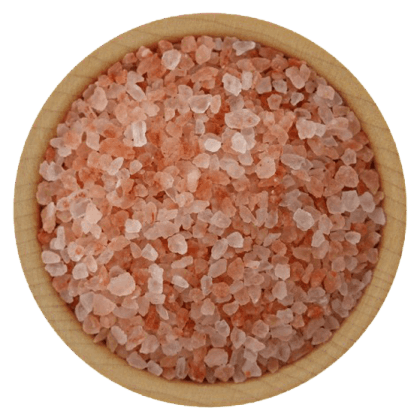
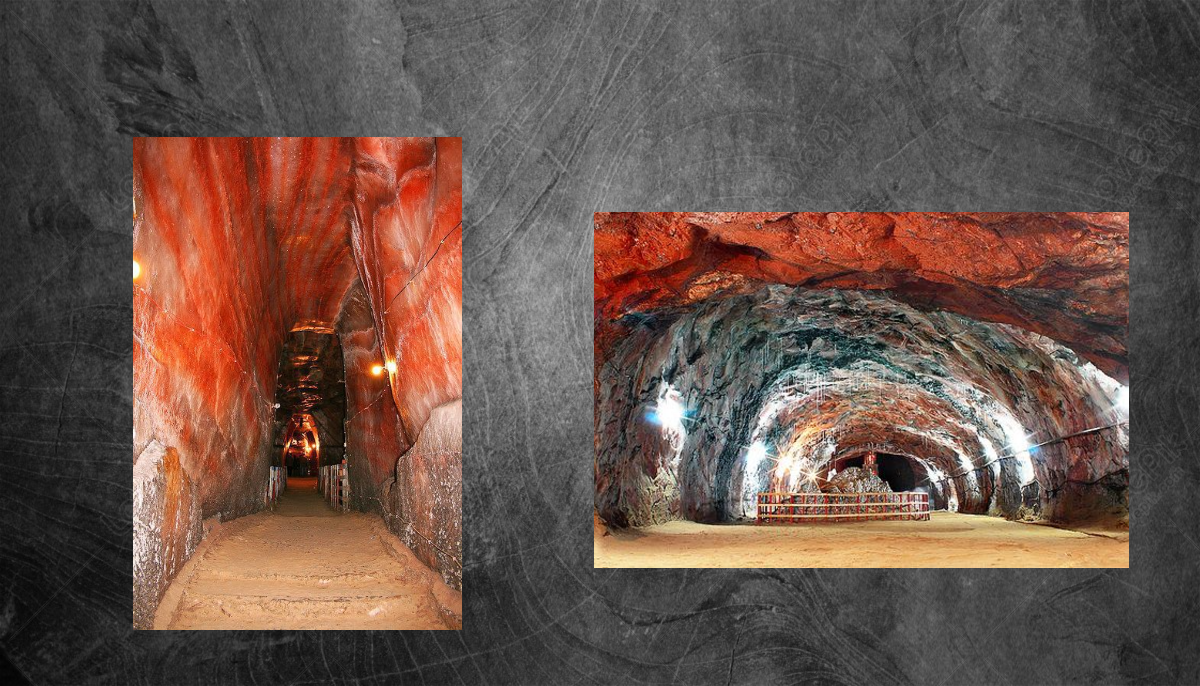
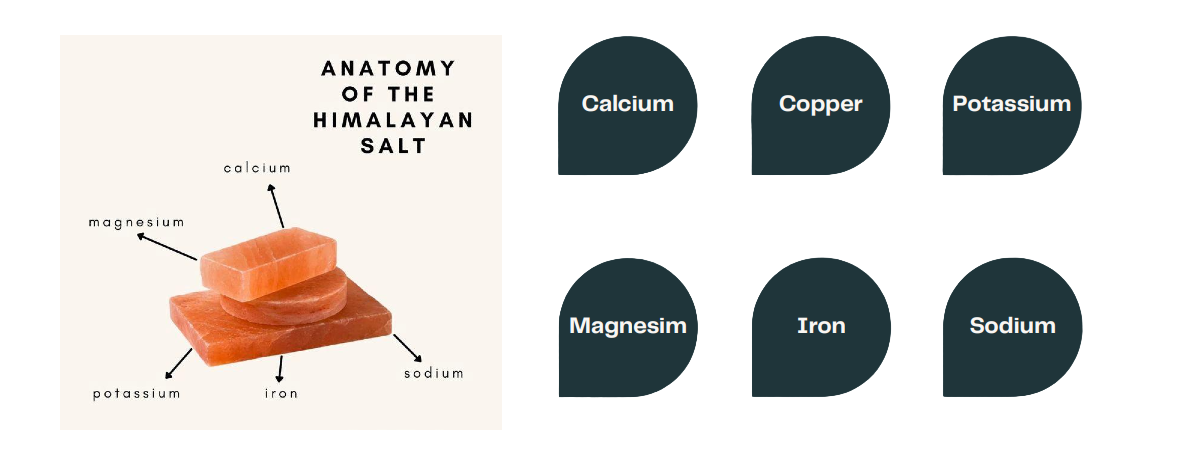
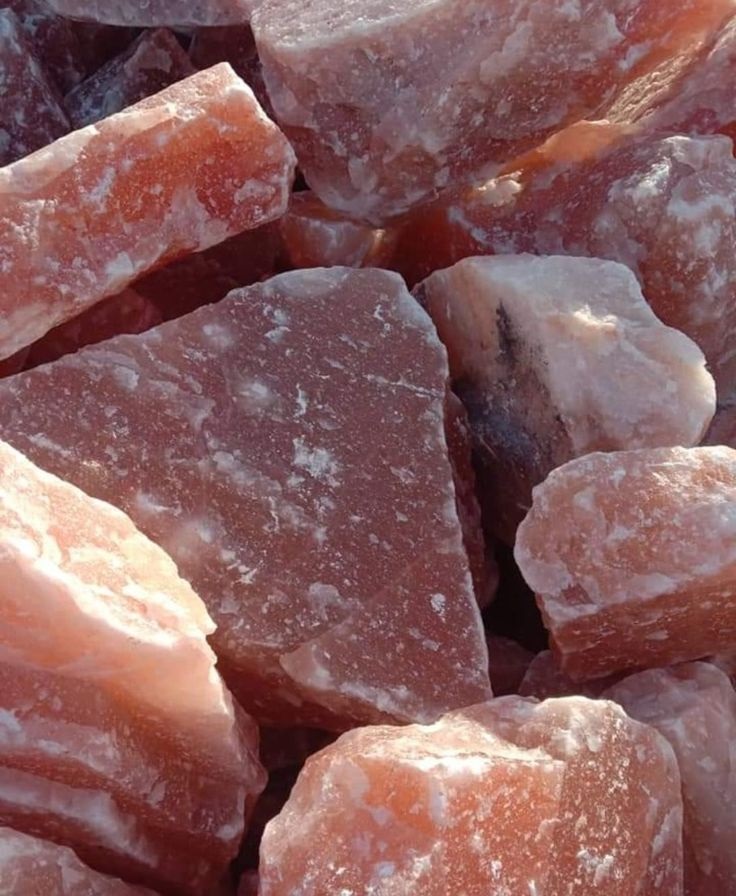
Himalayan salt is a rock salt that is extracted from ancient salt deposits in the Punjab province of Pakistan, at the foot of the Himalayas. It is also known as Pakistan salt. It is famous for its rosy to reddish-brown color, which is due to trace minerals such as magnesium, calcium, potassium, and iron. Not only do these minerals give the salt its unique color and taste, but they are also claimed to have a variety of wellness benefits.
Geology:
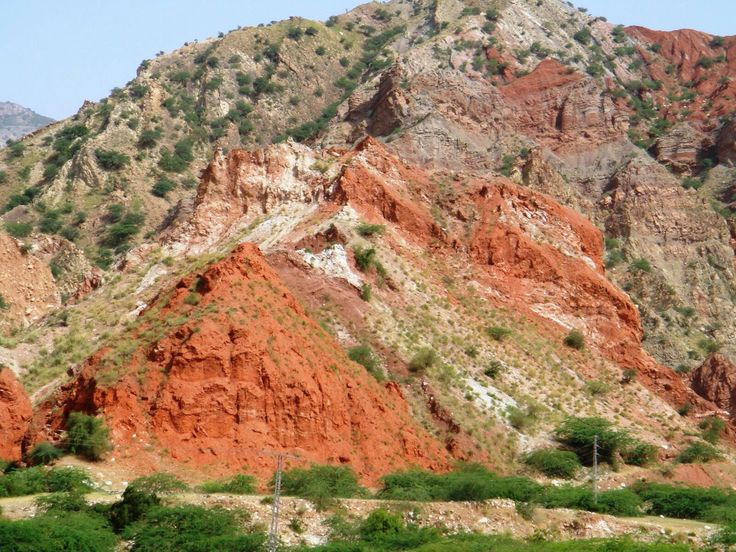
Himalayan salt is mined from the Salt Range mountains, at the
southern margin of a fold-and-thrust belt below the Pothohar
Plateau, south of the Himalayas in Pakistan. The source of these
Himalayan salts can be traced back to a thick pile of Ediacaran to
early Cambrian evaporites in the Salt Range Formation. This rock
unit consists of crystalline halite interbedded with potash salts,
topped by gypsiferous marl and interbedded with gypsum and
dolomite beds, which, in some instances, include seams of oil
shale that deposited between 600 and 540 million years ago.
These rocks, together with the overlying Cambrian to Eocene
sedimentary rocks, were pushed south over young sedimentary
rocks and eroded to create the Salt Range.